If you've ever woken up at 3am kicking off your covers or flipping your pillow to the cool side, you already know the struggle of sleeping hot — and you're definitely not alone. The bedding industry has finally caught up with cooling technology, breathable fabrics, and moisture-wicking fills that can genuinely make a difference. This guide breaks down the best options across every budget so you can stop sweating through the night and actually get some rest.
This guide contains affiliate links and AI-generated content. Learn more.


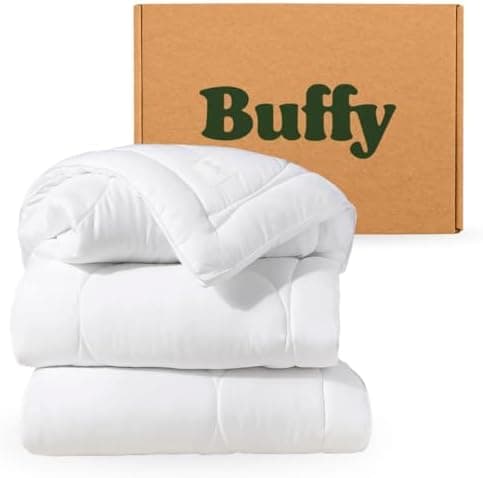
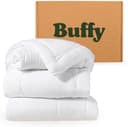
If your hot-sleeping problem is serious enough that you've considered just not using a comforter at all, the Buffy Cloud is the product that might actually change your mind. The eucalyptus TENCEL lyocell shell is genuinely different from cotton — it's a moisture-wicking, temperature-regulating fabric that's been lab-tested with a Q-Max cooling score of 0.21, which means it pulls heat away from your body faster than most natural fibers. The SilkShape fill inside is hypoallergenic and designed to drape rather than trap, which reduces that suffocating sensation that traditional down comforters can create. Yes, at $200 it's a real investment — but if hot nights are genuinely wrecking your sleep, this is the one piece of bedding that's designed top-to-bottom with your problem in mind. Bonus: it's machine washable and made partly from recycled plastic bottles, so your conscience can sleep cool too.
Pros
Cons
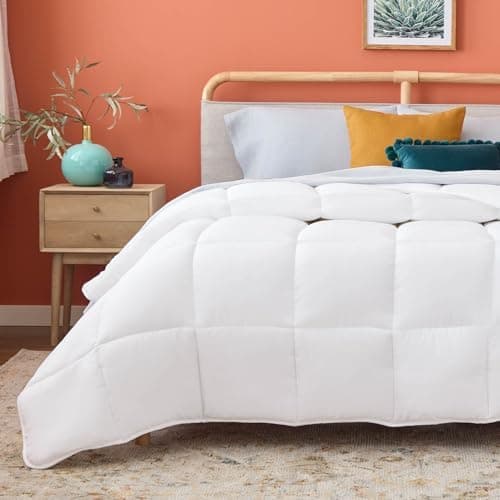
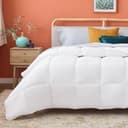
If you want a comforter that works reasonably well year-round without spending more than $35, the LINENSPA is a surprisingly solid pick. The 300 GSM down alternative fill hits a sweet spot — it's plush enough to feel cozy but not so heavy that you'll roast. The box-stitched construction keeps the fill from bunching, which matters for hot sleepers because cold spots and hot spots are equally annoying at 2am. It's not going to outperform the Buffy on cooling science, but for most people who run warm rather than blazing hot, this gets the job done. The 3-year warranty is also a genuinely nice touch at this price — it signals that LINENSPA actually stands behind the product rather than treating it as disposable.
Pros
Cons
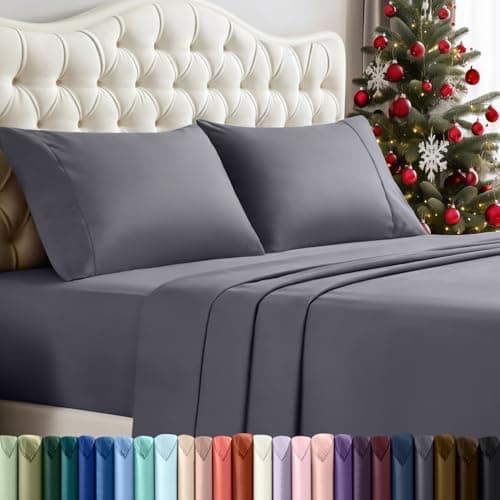
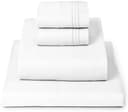
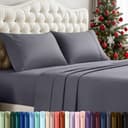
Sheets matter more than most people realize for hot sleepers — you're in direct contact with them all night, so fabric choice is everything. Mellanni's double-brushed microfiber hits a really interesting sweet spot: it's incredibly soft (like, legitimately hotel-soft) and resists all the annoyances of cheap sheets like wrinkling and fading. The 40+ color options also mean you can actually match your bedroom aesthetic without compromise. The honest caveat for hot sleepers is that microfiber, even high-quality brushed microfiber, isn't as breathable as natural linen or percale cotton — it's more of a 'warm-but-cozy' fabric than a genuinely cooling one. But if you run slightly warm rather than swelteringly hot, and you want the softest sheets at an under-$30 price point, Mellanni is genuinely hard to beat.
Pros
Cons
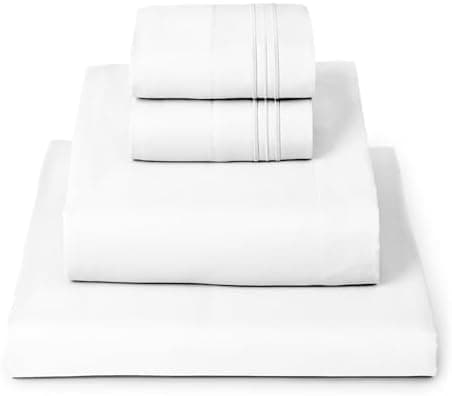
There's a version of bedding shopping where you just want something clean, functional, and cheap — and for that, Utopia Bedding basically has no competition at $13.47. The brushed microfiber is soft enough that it doesn't feel scratchy or stiff, and the fade-and-wrinkle resistance means it'll survive your laundry habits. For hot sleepers specifically, it's worth being upfront: microfiber at any price point traps more heat than cotton or linen alternatives. So if you're truly a hot sleeper, these are best deployed as a budget starting point or a guest room solution while you invest more in a cooling comforter like the Buffy. But if your budget is genuinely tight, sleeping on Utopia is vastly better than sleeping on old, worn-out sheets — and that actually does affect sleep quality.
Pros
Cons
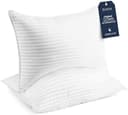
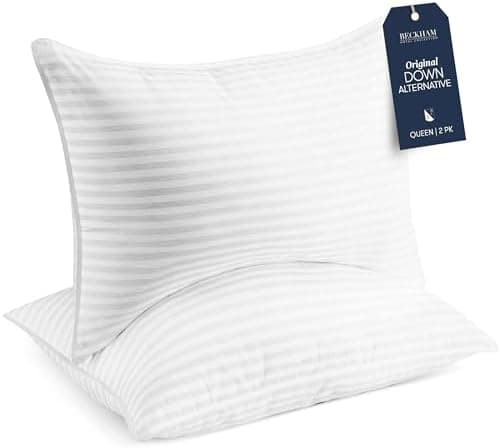
Pillows are the sleeping-hot wildcard that people forget about — your face is buried in one all night, and the wrong fill can turn a cool sleep environment into a sweaty one. The Beckham set is a genuinely smart buy here: 1050g of down alternative fill gives you that plush, squishy hotel feel without the allergenic proteins in real down, and down alternative tends to sleep slightly cooler than memory foam (which is famously heat-retentive). The no-shift construction means you're not constantly flipping and repositioning, which in itself reduces the body heat you generate tossing around. At $42 for two, it's an easy yes if you're currently sleeping on flattened old pillows — which are, incidentally, also terrible for temperature regulation because they bunch and block airflow.
Pros
Cons